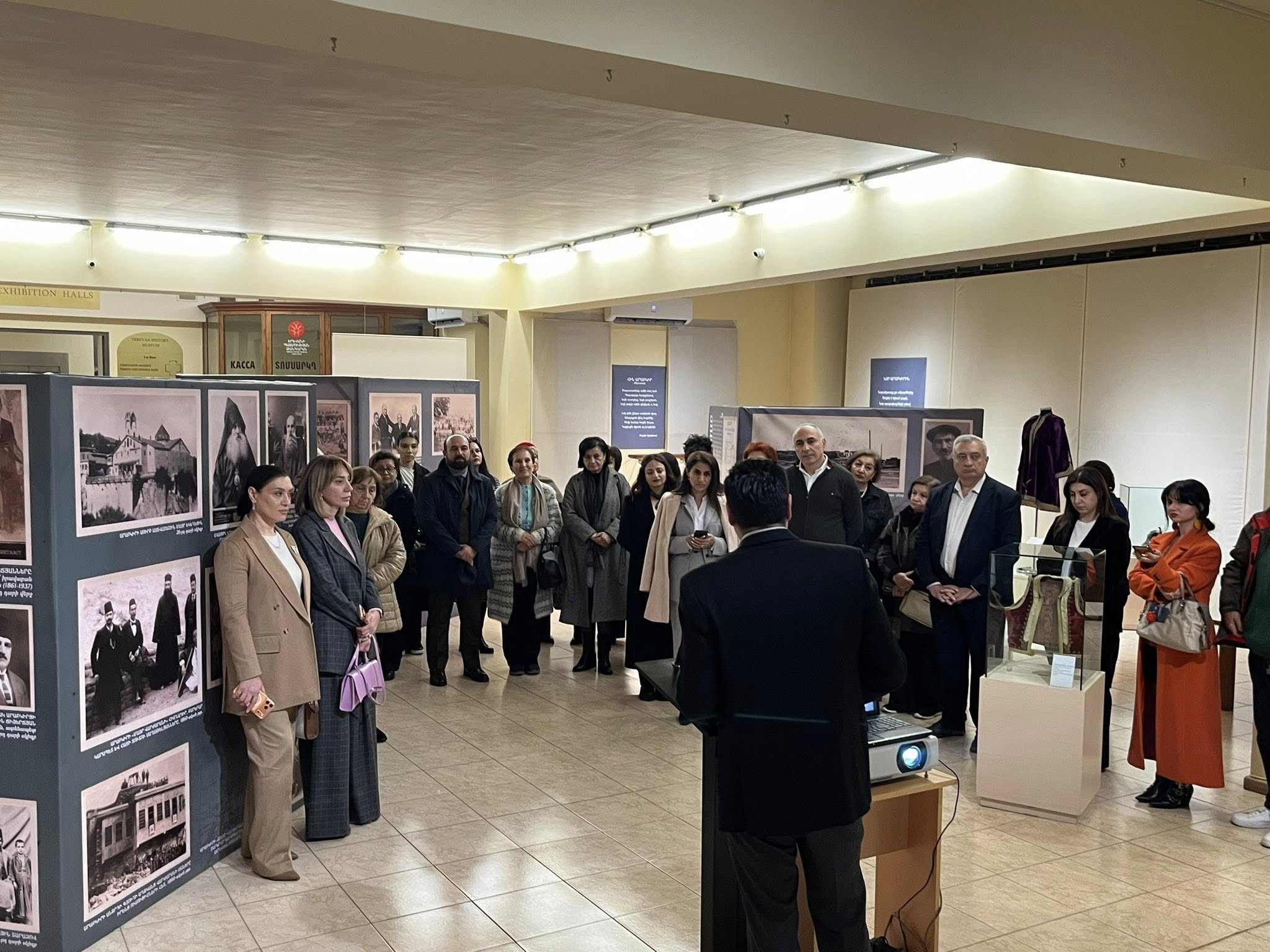
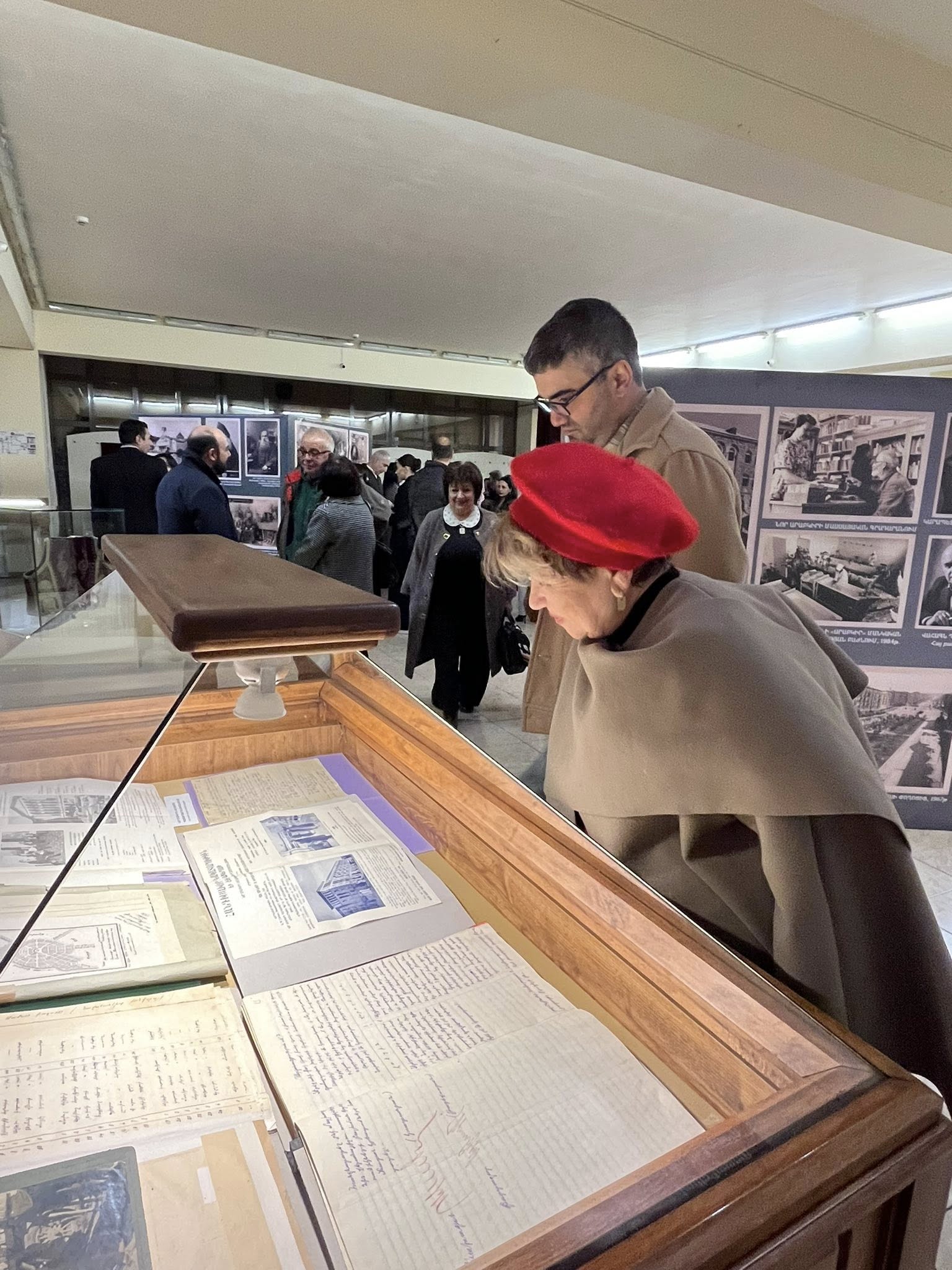
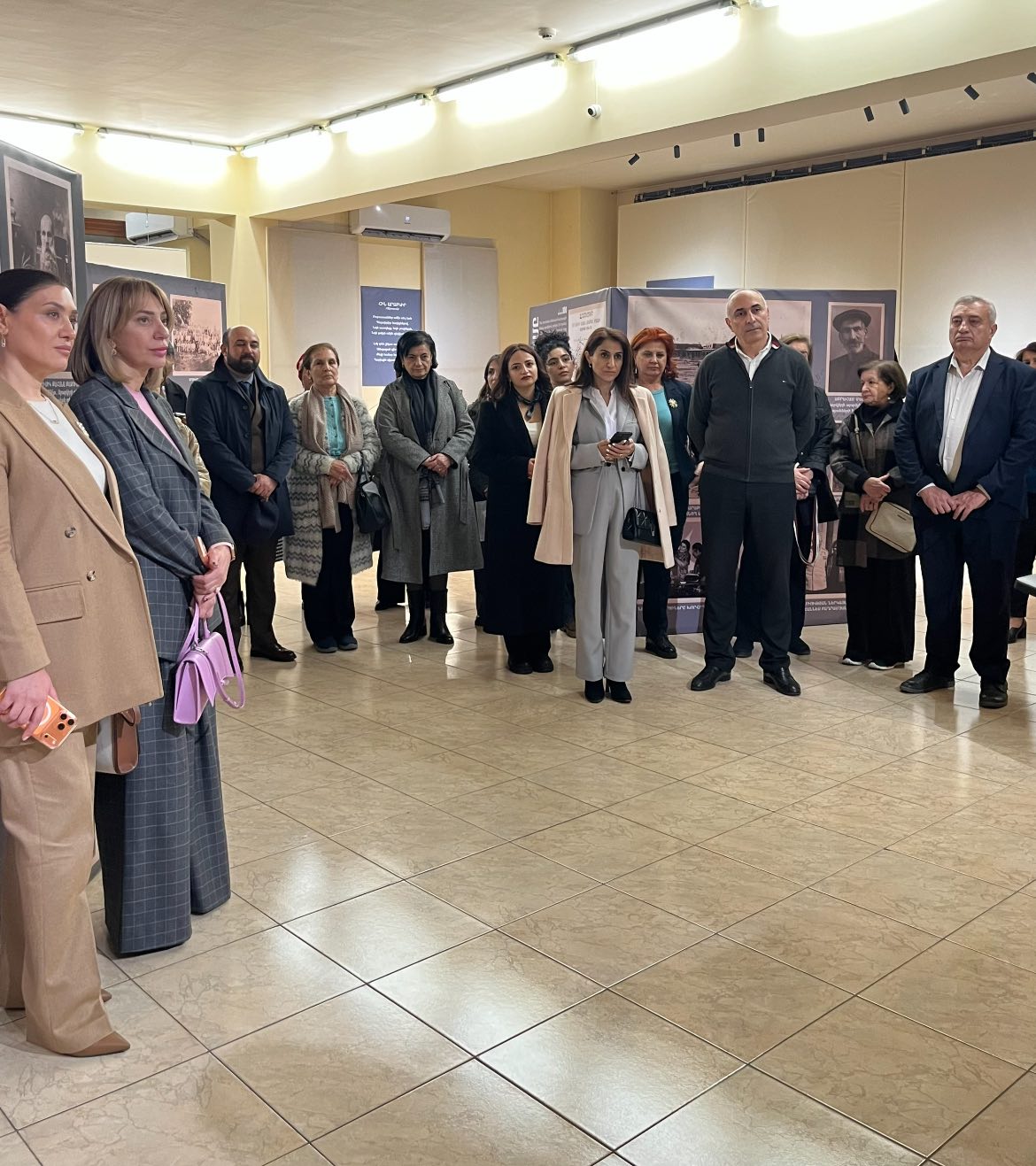
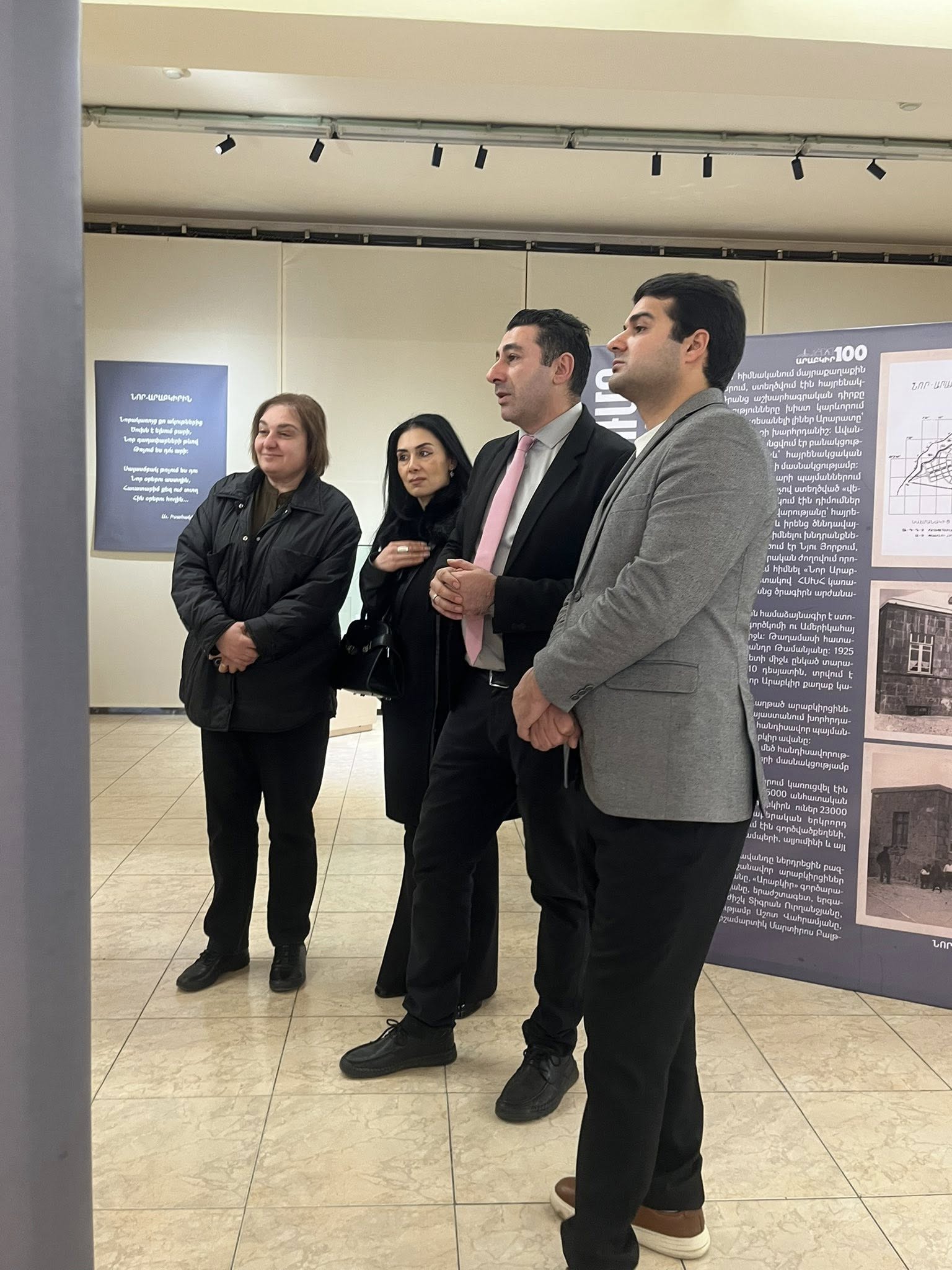
“Arabkir-100” exhibition opened at the Yerevan History Museum.
Organized in cooperation with the Yerevan History Museum, the National Archives of the Republic of Armenia, and the History Museum of Armenia, the exhibition presents the world of historical Arabkir, tracing its path to the formation of today’s modern Arabkir community in Yerevan.
“Arabkir-100” highlights the exceptional role this community has played in preserving Armenian identity and ensuring the continuity of national culture. Through photographs, documents, family stories, and household items, the exhibition conveys a unique warmth and the emotional power of lived memories. Many of the items are being displayed to the public for the first time.
The exhibition is structured in three thematic sections:
Historical Arabkir: its geography and environment, the people of Arabkir, their spiritual and educational life, and the participation of Arabkir natives in World War I.
Arabkir in the Diaspora (1895–1896): the aftermath of the Hamidian massacres and the 1915 Genocide, the emergence of Arabkir organizations across the world, and their efforts to preserve Armenian identity.
The Modern Arabkir District of Yerevan: a 100-year journey from its establishment to the present day, showcasing community life and the contribution of Arabkir residents to Yerevan’s development.
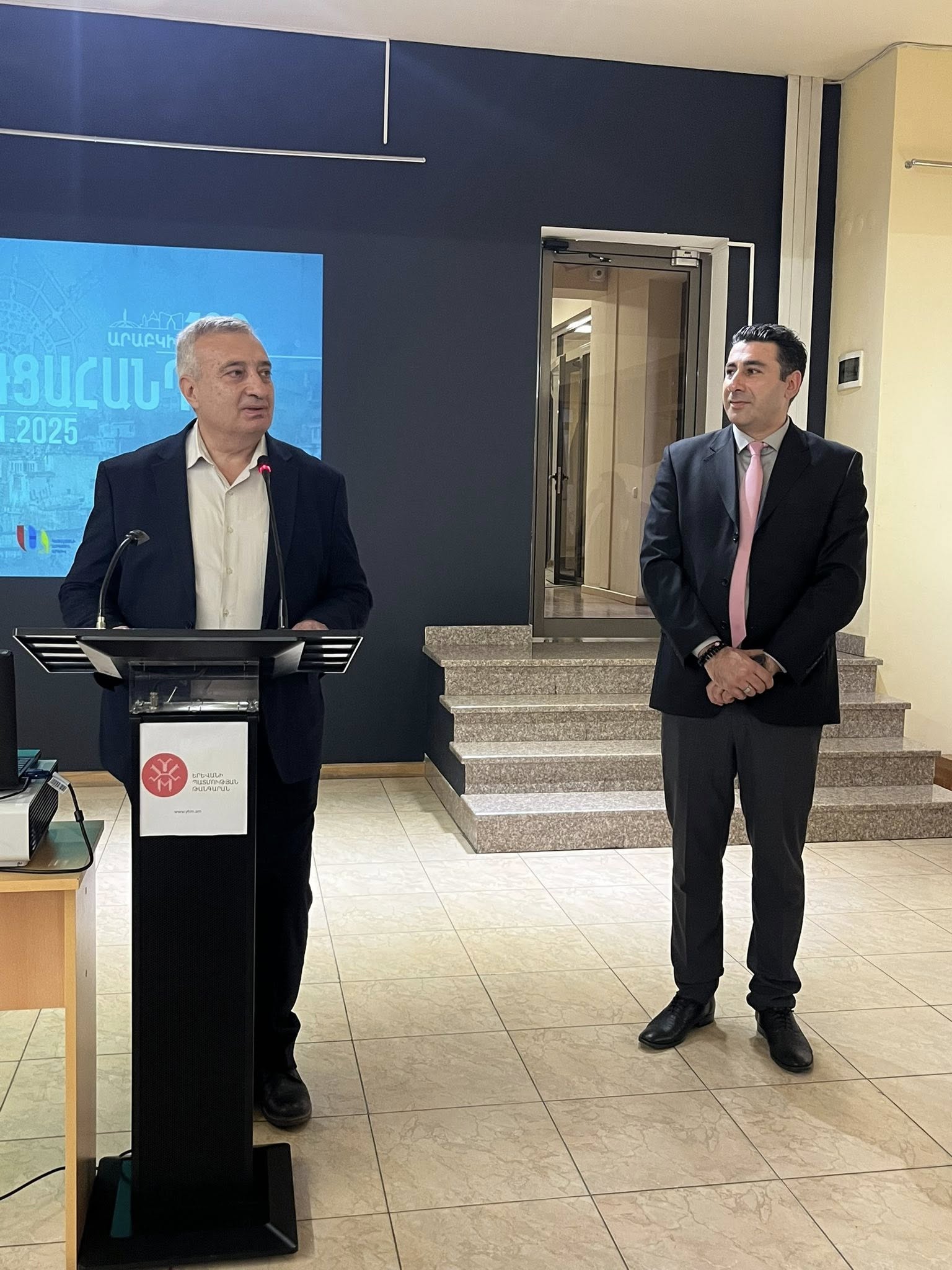
During the opening ceremony, G. Orbelyan, Director of the Yerevan City History Museum, delivered welcoming remarks, emphasizing the importance of such exhibitions in preserving urban memory, showcasing historical heritage, and strengthening community identity.
A. Simonyan, Deputy Director of the National Archives of Armenia, also spoke, highlighting the value of cooperation and the Archive’s role in restoring historical memory.
A. Melkonyan, Director of the Institute of History of the National Academy of Sciences of Armenia, addressed the guests and underscored the exhibition’s significance for the academic community.
A particularly touching moment was the presence of the daughter of writer Vahagn Davtyan, who shared heartfelt reflections on the meaning of Arabkir and its people in the history and memory of their family.